


 ✸ If you have non-SR fuses in your system: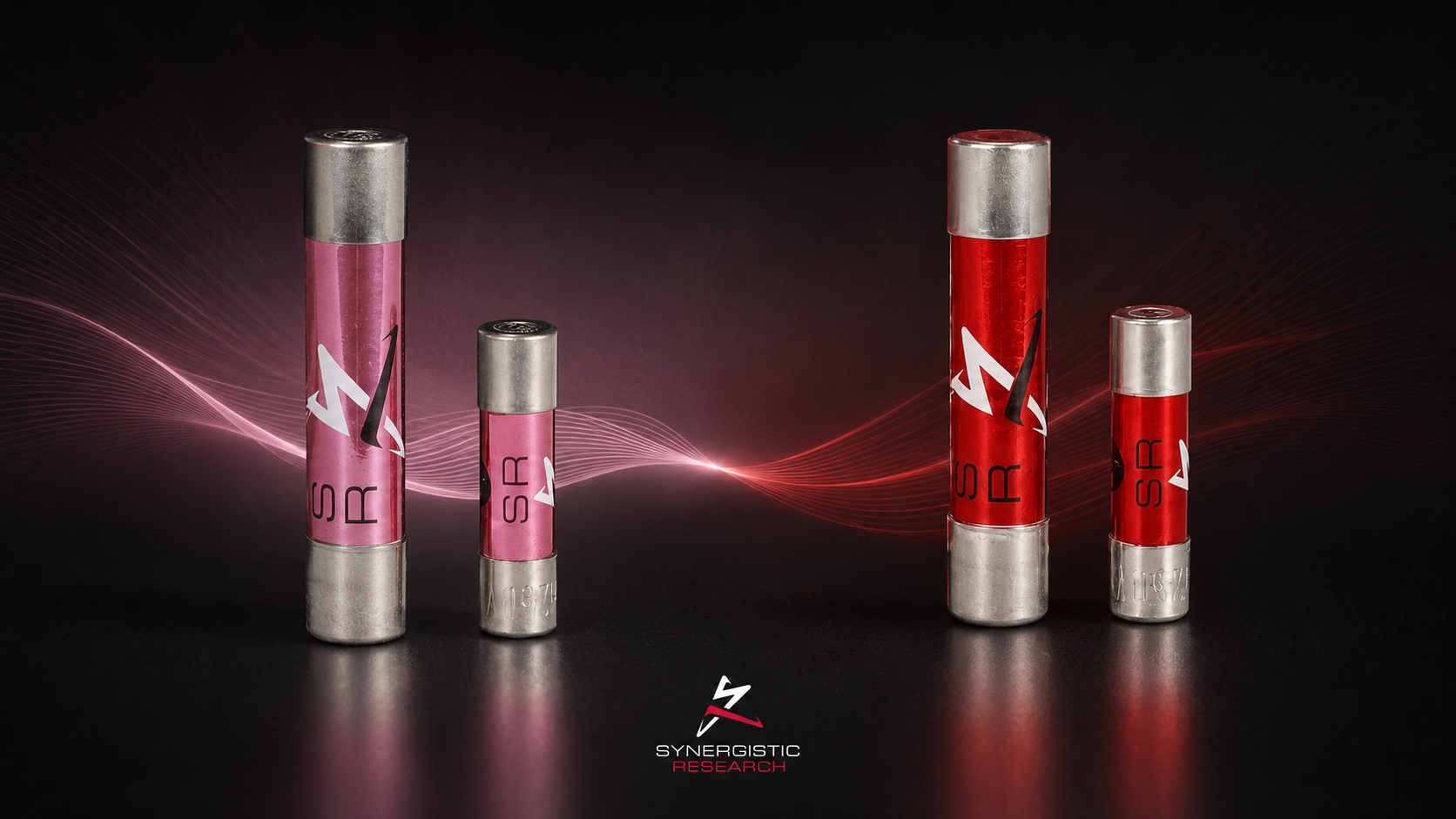
Pink Fuse versus Holographic Fuse: wat is er werkelijk veranderd?
Van Pink Fuse naar een compleet nieuwe generatie
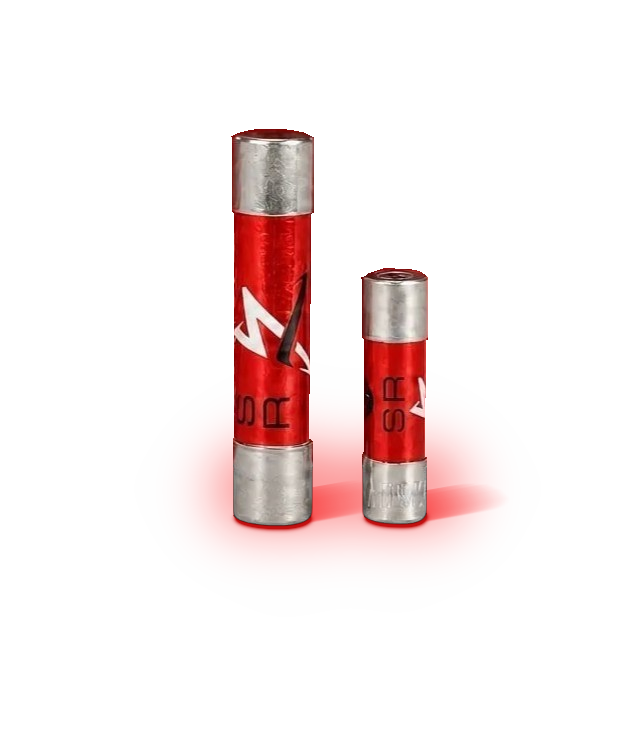
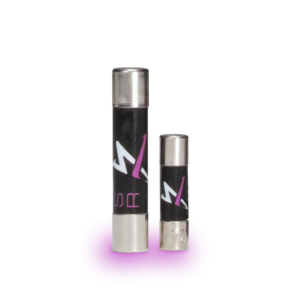
De Synergistic Research Pink Fuse heeft zich binnen relatief korte tijd een duidelijke positie verworven bij muziekliefhebbers die hun installatie tot in de kleinste details willen optimaliseren. Toch heeft Synergistic Research inmiddels alweer een volgende stap gezet met de Holographic Fuse. Daarbij gaat het niet uitsluitend om een verfijning van hetzelfde concept. De Holographic Fuse krijgt binnen de actuele zekeringarchitectuur van Synergistic Research een andere en belangrijkere rol. Waar de Pink Fuse tot voor kort als belangrijkste algemene zekering werd gebruikt, positioneert Synergistic Research de nieuwe Holographic Fuse nu als de ruimtelijke basis van een systeem, eventueel aangevuld met één of meerdere Master Fuse(s) aan het begin van de signaalketen en/of de netspanningsvoorziening.
Wat maakte de Synergistic Research Pink Fuse bijzonder?
Om het verschil met de Holographic Fuse goed te begrijpen is het belangrijk om eerst te kijken naar de techniek achter Pink Fuse. Synergistic Research gebruikte voor de Pink Fuse onder meer een nieuw hoogspanningsconditioneringsproces en een nieuw UEF materiaal. Het doel was destijds om de muzikale warmte van de eerdere Purple Fuse te behouden, maar tegelijkertijd meer resolutie, dynamiek en een lagere ervaren ruisvloer te realiseren. De Pink Fuse werd daardoor geen radicale breuk met de eerdere filosofie, maar vooral een verfijning waarbij scherpere plaatsing, meer definitie en een overtuigender weergave van kleine muzikale details centraal kwamen te staan.
Wat doet de nieuwe Holographic Fuse technisch anders?
Voor de Holographic Fuse is Synergistic Research vanuit een ander ontwikkelproject vertrokken. De technologie ontstond om meer invloed uit te kunnen oefenen op hoogfrequente vervuiling in het MHz en GHz gebied binnen de elektronica. Hiervoor werd een nieuwe vierdelige UEF metamateriaalsamenstelling ontwikkeld met ondersteuning van een eigen AI technisch systeem dat voortbouwde op eerdere materiaalontwikkeling van het bedrijf. Synergistic Research paste deze samenstelling vervolgens toe in een zekering en daaruit ontstond de Holographic Fuse. Dat is dus een wezenlijk technisch verschil met de Pink Fuse.
Het belangrijkste klankverschil tussen Pink en Holographic
Volgens Synergistic Research ligt het grootste verschil tussen de Pink Fuse en Holographic Fuse in de manier waarop de muzikale ruimte wordt gepresenteerd. De Pink Fuse is preciezer en meer gefocust, met strakkere plaatsing en duidelijkere aanzetten van stemmen en instrumenten. Holographic combineert dezelfde hoge mate van resolutie met een grotere, vrijere en vloeiendere presentatie. Er is meer lucht rond individuele klankbronnen ontstaan, terwijl galm en uitsterftijd verder de ruimte in doorlopen. In het eigen referentiesysteem spreekt Synergistic Research zelfs over ongeveer vijftig procent meer ruimtelijke omvang dan met de Pink Fuse. De fabrikant benadrukt daarbij zelf dat dit percentage een luisteroordeel betreft en geen laboratoriummeting.
Moet u uw Pink Fuses direct vervangen?
Heeft u al meerdere Synergistic Research Pink Fuses in uw installatie, dan betekent de komst van Holographic zeker niet dat u alles in één keer hoeft te vervangen. Synergistic Research adviseert bezitters van een Pink Fuse configuratie juist om stapsgewijs te experimenteren. Een Pink Fuse kan bijvoorbeeld aanvankelijk in de DAC blijven zitten terwijl een Holographic Fuse verderop in de keten wordt toegepast, bijvoorbeeld in de voorversterker of eindversterker. Wie daarna verder wil optimaliseren kan volgens de huidige fabrieksfilosofie uiteindelijk kiezen voor één Master Fuse op een strategische positie en Holographic Fuses in de overige toepassingen. Dit is nadrukkelijk een advies van de fabrikant en geen universele regel, want de beste balans blijft afhankelijk van installatie, ruimte en persoonlijke luistervoorkeur.
Praktisch blijft de juiste zekeringwaarde het belangrijkst
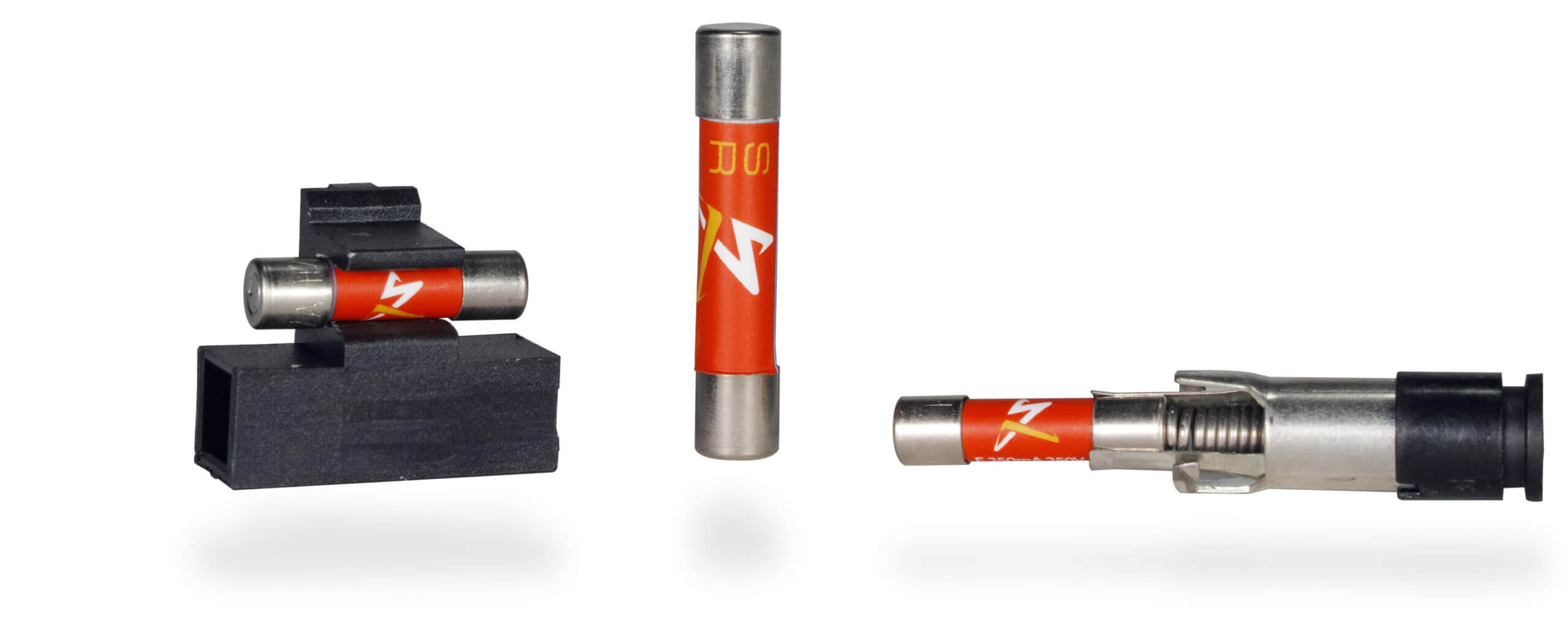
Wie een Pink Fuse of Holographic Fuse wil plaatsen moet vanzelfsprekend eerst controleren welke zekeringwaarde en welk zekeringtype door de fabrikant van het betreffende apparaat wordt voorgeschreven. Zowel Pink als Holographic zijn volgens Synergistic Research verkrijgbaar in verschillende waarden en in onder meer formaten van 5 bij 20 millimeter en 6,3 bij 32 millimeter, met varianten voor verschillende afschakelkarakteristieken snel en traag. Daarmee bestrijkt de nieuwe Holographic serie een vergelijkbaar breed toepassingsgebied als Pink. Een ander zekeringtype kiezen om een bepaald klankresultaat te bereiken is niet verstandig. De zekering blijft in de eerste plaats een veiligheidscomponent en de voorgeschreven specificatie van de afschakelkarakteristiek van het apparaat moet daarom altijd worden opgevolgd.
Synergistic Research adviseert het Ampèrage van de zekering altijd één waarde hoger te kiezen. Dit valt binnen de zekeringtolerantie. Dit in verband met de soms grote stroompieken bij het inschakelen. Synergistic Research zekeringen zijn extra veilig, waardoor ze onder bepaalde omstandigheden te snel zouden kunnen afschakelen.
Welke Synergistic Research Fuse past het beste bij uw installatie?
De keuze tussen de Synergistic Research Pink Fuse en de nieuwe Holographic Fuse draait uiteindelijk minder om de vraag welke zekering simpelweg beter is en meer om de presentatie die u binnen uw installatie wilt bereiken. De Pink Fuse blijft interessant wanneer u houdt van een zeer precieze plaatsing, duidelijke contouren en een sterk gevoel van definitie. De Holographic Fuse is juist ontwikkeld voor luisteraars die een grotere ruimtelijke afbeelding, meer lucht, het uitsterven van de klank en een vloeiendere presentatie zoeken. Zeker wanneer u al Pink Fuses gebruikt is stapsgewijs vergelijken daarom de meest logische aanpak. Zo kunt u zelf beoordelen of Holographic binnen uw eigen installatie daadwerkelijk de stap vooruit brengt die u voor ogen heeft.
Review:
“A $249 Upgrade That Expands Soundstage, Dynamics, And Musical Flow” Review by Rick Becker @ enjoythemusic.com
“Transforming audio gear with greater atmosphere, emotion, and musical bliss.”
“The Synergistic Holographic fuse offers an affordable upward pathway for sound quality from equipment you already own. A $249 fuse can turn your modest preamp into one that sounds as good (or better) than one you simply cannot afford.”
| Tonality |  |
| Sub–bass (10Hz – 60Hz) | |
| Mid–bass (80Hz – 200Hz) | |
| Midrange (200Hz – 3,000Hz) | |
| High Frequencies (3,000Hz On Up) | |
| Attack | |
| Decay | |
| Inner Resolution | |
| Soundscape Width Front | |
| Soundscape Width Rear | |
| Soundscape Depth | |
| Soundscape Extension Into Room | |
| Imaging | |
| Fit And Finish | |
| Self Noise | |
| Emotionally Engaging | |
| Value For The Money | |



Laura –
Kurt Lassen
**Synergistic Research Holographic Fuse**
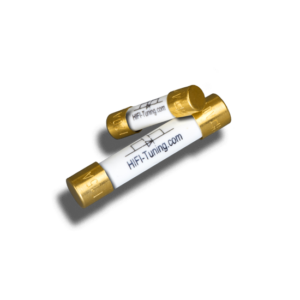
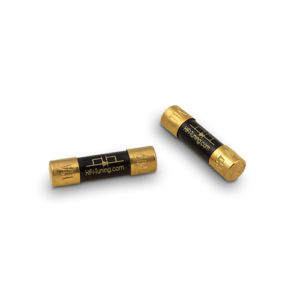
It takes a little time to get used to the idea that this tiny fuse—in my case, a 5 × 20 mm, 10 A version—can make a difference in my otherwise well-treated listening room and HiFi system. I could have tested it in different locations within my system, but I chose the power strip feeding all my gear, including switches, amplifier and speakers (GoldenEar), so they could all benefit—if there was any improvement to be had.
And an improvement there was. Yes, sir! The music just blossoms, and a new window opens onto music I know so well. I can best describe it this way: background vocals become clearer, much clearer, and the sound is far bigger and completely detached from the speakers. Bass drums and bass guitars are much easier to distinguish, and you can hear exactly what is being played.
My enjoyment of the music is so much greater. This is such fun—so much improvement from such a small device. I would even go so far as to say that, in my system, the step up in sound quality is bigger than that of buying a new amplifier or speaker cable. Much bigger.
Alela Diane’s “To Be Kind” is one of those tracks that just makes you smile when you listen with the Holo fuse in place. The sound becomes softer and more precise at the same time. The guitars almost seem to stand right in front of you. I switched back and forth, removing this fuse and replacing it with others I had around. The sound became colourless, like a grey autumn day.
For something completely different, there is *Mozart: Sonatas* (Harmonia Mundi), performed by violinist Isabelle Faust and fortepianist Alexander Melnikov. The depth is extraordinary. With the Holo in place, the scale of the sound is huge compared with what I hear using a no-name fuse. Truly huge. The agility of the musicians shines through, and the perceived bubble of sound is much bigger than before.
A great album for testing different HiFi gear is Andreas Vollenweider’s *Book of Roses*. The plucked instruments float freely in the air—just pick your favorite track. Enjoy it on whatever system you have; I am sure it will benefit from this small fuse.
There is no doubt: this one is a keeper.
From my notes over the past few days—and nights:
You automatically find yourself drawn much more deeply into the music.
The sense of being able to hear right through the soundstage is stunning.
A small wonder. Nothing less.
© Kurt Lassen 2026. Independent HiFi journalist, sound engineer + producer, music and HiFi-lover for more than 40 years.